
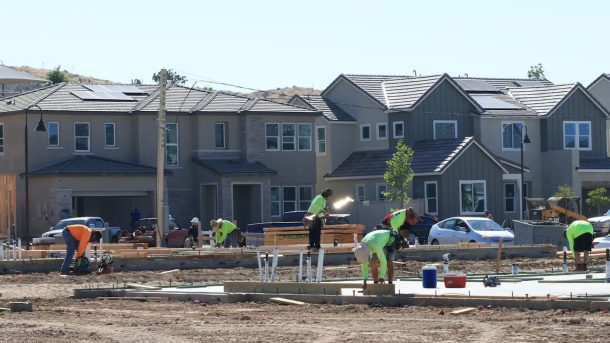
Urban areas across South Africa and around the world are expanding at a remarkable pace. Population growth, infrastructure investment, and changing lifestyle preferences are reshaping the way people live and work. As cities spread outward and become more densely developed, residential real estate markets are evolving alongside them.
For investors, these changes create both opportunities and challenges. New transport networks, mixed-use developments, and emerging residential corridors can influence property demand long before an area reaches full maturity. Understanding these shifts can help investors make informed decisions and identify locations with long-term growth potential.
The insights of a qualified town planner often become increasingly valuable during periods of rapid urban expansion. Their understanding of land use patterns, zoning frameworks, and future development trends can provide important context when evaluating residential property opportunities.
Understanding the Link Between Urban Growth and Property Investment
Urban growth occurs when cities expand physically and economically. This process is driven by factors such as population increases, migration, job creation, and infrastructure development.
As more people move into urban centres, demand for housing rises. This increased demand can create opportunities for residential property investors seeking capital growth, rental income, or both.
However, growth is rarely uniform. Some neighbourhoods experience rapid appreciation, while others may take years to reach their potential. Investors who understand the drivers behind urban expansion are often better positioned to identify promising locations before they become highly competitive.
Property investment decisions should always consider long-term trends rather than short-term market fluctuations. Urban development plans, transport improvements, and population projections can provide valuable indicators of future demand.
Emerging Residential Areas Are Attracting Attention
One of the most noticeable effects of urban growth is the emergence of new residential hubs. As established suburbs become more expensive or densely populated, developers and homebuyers increasingly look toward surrounding areas.
These emerging neighbourhoods often offer:
- More affordable entry points for buyers and investors
- Access to new housing developments
- Potential for future property value growth
- Opportunities linked to planned infrastructure upgrades
- Expanding community amenities and services
Investors who identify these areas early may benefit from increased demand as development progresses. Nevertheless, thorough research remains essential before making any purchasing decisions.
Factors such as municipal planning, transportation access, and economic activity can significantly influence whether an area ultimately succeeds as a residential destination.
Infrastructure Development Drives Residential Demand
Infrastructure plays a central role in shaping property markets. Roads, public transport systems, schools, healthcare facilities, and utility networks all contribute to an area’s attractiveness.
When governments and municipalities invest in infrastructure, nearby residential property markets often experience increased interest. Improved accessibility can reduce commute times, enhance convenience, and support local economic growth.
For example, new transport corridors may connect previously overlooked suburbs to major employment centres. This can increase demand from homebuyers and tenants seeking affordability without sacrificing accessibility.
Investors frequently monitor planned infrastructure projects because these developments may influence future property performance. While no outcome is guaranteed, infrastructure improvements often serve as important indicators of changing market dynamics.
Changing Housing Preferences Are Creating New Opportunities
Urban growth is also changing the types of properties people want to live in. Modern buyers and tenants increasingly prioritise convenience, connectivity, and lifestyle amenities.
This shift has encouraged the development of:
- Mixed-use precincts combining residential, retail, and commercial spaces
- Higher-density housing options near transport routes
- Lifestyle-focused communities with shared amenities
- Sustainable residential developments
- Compact homes designed for urban living
These changing preferences create opportunities across multiple residential property segments.
Investors who understand evolving consumer expectations can better align their property choices with market demand. Rental properties that offer convenience and access to services may attract stronger tenant interest in growing urban environments.
The Importance of Land Use Planning
Urban growth does not happen randomly. Development is guided by planning frameworks that influence how land can be used and developed over time.
Land use planning helps balance residential, commercial, industrial, and public space requirements. It also aims to support sustainable growth while managing environmental and infrastructure considerations.
A skilled town planner can provide valuable insight into future development patterns, zoning regulations, and municipal strategies. Understanding these factors may help investors assess whether an area is likely to experience increased residential demand in the years ahead.
Planning documents can reveal proposed developments that may not yet be widely recognised by the market. This information can contribute to more informed investment decisions when combined with broader financial and property research.
Urban Densification Is Reshaping Investment Strategies
Many cities are encouraging densification rather than unrestricted outward expansion. Densification involves accommodating more residents within existing urban areas through apartments, townhouses, and mixed-use developments.
This trend is influencing residential investment opportunities in several ways.
Higher-density housing can create additional rental stock in desirable locations. It may also support stronger demand from professionals, students, and smaller households seeking proximity to employment centres and amenities.
For investors, densification can open opportunities in established suburbs where redevelopment and infill projects become increasingly viable.
At the same time, increased housing supply may affect competition levels in certain markets. Evaluating local conditions remains essential when assessing potential investments.
Sustainability Is Becoming a Key Market Driver
Environmental considerations are playing a growing role in urban development. Homebuyers, tenants, developers, and municipalities are placing greater emphasis on sustainability.
Energy-efficient buildings, water-saving technologies, green spaces, and walkable neighbourhoods are increasingly valued within residential markets.
Properties located within well-planned, sustainable communities may benefit from stronger long-term appeal. As environmental awareness grows, demand for efficient and resilient housing is likely to remain an important market consideration.
Investors should examine how sustainability features align with local market preferences and future development objectives.
Identifying Risks in Fast-Growing Areas
While urban growth can create attractive investment opportunities, it also introduces potential risks.
Rapid development does not always translate into immediate property value increases. Market conditions, economic performance, infrastructure delivery timelines, and housing supply levels can all influence outcomes.
Investors should carefully evaluate:
- Local property demand trends
- Infrastructure implementation schedules
- Municipal planning policies
- Vacancy rates and rental performance
- Long-term economic drivers
Comprehensive due diligence remains one of the most effective ways to manage investment risk.
Seeking professional advice from property experts, financial advisers, and planning professionals can provide additional perspective when evaluating opportunities in developing areas.
Adapting to a Changing Urban Landscape
Residential property investment is becoming increasingly connected to broader urban development trends. Population growth, infrastructure investment, sustainability initiatives, and evolving housing preferences are all shaping future opportunities.
Successful investors often focus on understanding how cities are changing rather than simply analysing current market conditions. Areas that appear ordinary today may become highly desirable tomorrow if supported by strong planning, infrastructure, and economic growth.
As urban environments continue to evolve, informed decision-making will remain essential. By monitoring development patterns, assessing future growth drivers, and consulting professionals when necessary, investors can better position themselves to navigate an increasingly dynamic residential property market. The expertise of a town planner may provide valuable insight into these transformations, helping investors understand how changing urban landscapes influence long-term property potential.