Real Estate

Effective Bird Proofing Solutions for Roofs, Balconies, and Commercial Signage

Bird proofing systems installed on roof and balcony areas for effective urban pest control

Living in urban or coastal environments often means dealing with persistent bird-related challenges around buildings. From nesting under roof tiles to droppings on signage, these issues can quickly escalate from a minor inconvenience into a costly maintenance concern. In many cases, unmanaged bird activity can also contribute to hygiene risks, structural wear, and visual damage to properties.

For homeowners and business operators alike, prevention is far more effective than reactive cleaning or repairs. A structured approach to managing access points, surfaces, and nesting zones can significantly reduce recurring problems over time. This is where targeted exclusion and deterrent methods become particularly valuable.

Among the most reliable approaches, bird proofing plays a central role in protecting buildings while maintaining humane and environmentally responsible standards. When properly planned, it can preserve both the appearance and integrity of residential and commercial structures without disrupting surrounding ecosystems.

Understanding Bird-Related Building Issues

Birds tend to seek elevated, sheltered, and quiet areas for nesting and roosting. Roof cavities, balcony ledges, and signage structures often provide ideal conditions. Once established, colonies can expand quickly, making removal more difficult and increasing the likelihood of repeated return visits.

One of the most overlooked concerns is the accumulation of droppings. Beyond being unsightly, droppings are acidic and can gradually degrade paintwork, metal fixtures, and stone surfaces. In commercial environments, this can negatively affect customer perception and brand presentation.

Another issue involves blocked drainage systems. Nesting materials such as twigs and feathers can obstruct gutters and downpipes, leading to water overflow and potential structural damage during heavy rainfall.

Common problem areas include:

  • Roof ridges, eaves, and tiled gaps that allow shelter and warmth
  • Balcony railings, air-conditioning units, and awnings
  • Signage frames, billboards, and illuminated advertising boards
  • Warehouse loading zones and warehouse beams with overhead cover

Addressing these areas early reduces long-term maintenance costs and limits the need for repeated cleaning cycles.

Roof Protection Strategies

Roofs are among the most frequently affected areas in urban and suburban buildings. Their height, warmth, and relative safety make them ideal for nesting and perching. Effective prevention focuses on blocking access without compromising ventilation or drainage.

One of the most widely used approaches in bird proofing involves physical exclusion systems. These may include mesh barriers, spike strips, or tensioned wire systems designed to prevent landing without causing harm. Each solution is selected based on roof type, pitch, and material.

Proper installation is essential. Poorly fitted deterrents can shift over time, creating gaps that birds quickly exploit. Regular inspection ensures continued effectiveness, especially after storms or seasonal changes.

Additional considerations include sealing entry points under eaves and repairing broken tiles that create sheltered cavities. Even small openings can become entryways for nesting activity if left unattended.

Effective roof protection may include:

  • Stainless steel or polycarbonate spikes for ridge lines and ledges
  • Fine mesh netting for larger open roof sections or industrial structures
  • Tensioned wire systems for narrow ledges and beams
  • Sealing of gaps with durable, weather-resistant materials

When combined correctly, these methods create layered protection that significantly reduces the likelihood of infestation.

Balcony and Residential Solutions

Balconies are particularly attractive to birds in residential complexes due to their sheltered corners and limited human disturbance during certain hours of the day. Over time, nesting materials and droppings can accumulate, creating hygiene and aesthetic concerns for residents.

In residential settings, humane deterrents are preferred to maintain harmony with surrounding wildlife. Visual deterrents, surface modifications, and exclusion barriers are commonly used without causing harm.

Lightweight netting is often installed across open balcony spaces to prevent access while preserving airflow and light. Reflective elements or motion-based deterrents can also discourage repeated landing in high-traffic areas.

Key considerations for residential protection include:

  • Ensuring balcony drainage remains unobstructed after installation
  • Selecting UV-resistant materials suitable for long-term outdoor exposure
  • Avoiding permanent fixtures that damage rental or sectional title property surfaces
  • Maintaining regular cleaning schedules to discourage re-nesting behaviour

Consistency is important. Even the most effective systems require occasional monitoring to ensure they remain intact and functional over time.

Commercial Signage Protection

Commercial signage is highly vulnerable to bird activity due to its height, structure, and often uninterrupted surfaces. Businesses relying on visibility and branding can suffer reputational damage when signage becomes obscured or stained.

In these environments, preventative design and maintenance strategies are critical. Smooth surfaces and angled fixtures reduce landing opportunities, while exclusion devices protect edges and upper frames.

A key principle in commercial applications is balancing visibility with protection. Systems must not obstruct lighting or branding elements while still preventing roosting and nesting.

Common solutions include targeted deterrent installation along the top and sides of signage boards, as well as discreet netting behind illuminated panels. These approaches ensure that branding remains clear and professional throughout the year.

Humane Deterrents and Material Choices

Modern building management prioritises humane and environmentally responsible approaches to wildlife control. The goal is not removal of birds from the ecosystem, but rather prevention of unwanted nesting in specific human structures.

Materials used in deterrent systems are designed to be non-injurious while still discouraging landing or nesting behaviour. Stainless steel, UV-stabilised polymers, and corrosion-resistant alloys are commonly used due to their durability and low maintenance requirements.

A well-planned strategy often integrates multiple methods rather than relying on a single solution. This layered approach increases effectiveness across different building surfaces and conditions.

Common humane deterrent methods include:

  • Optical deterrents that create light reflection or movement
  • Physical barriers that prevent landing without trapping
  • Surface modification to reduce grip and nesting stability
  • Auditory deterrents used selectively in large open environments

When selecting solutions, it is important to consider building use, environmental exposure, and long-term maintenance requirements. Poorly chosen materials can degrade quickly, leading to repeated installation costs.

Maintenance and Long-Term Prevention

Even the most effective exclusion systems require ongoing maintenance to remain functional. Weather exposure, dust accumulation, and natural wear can reduce effectiveness over time if not addressed.

Routine inspections help identify early signs of deterioration or re-entry attempts. Small gaps, loose fittings, or damaged netting should be repaired promptly to prevent re-establishment of nesting activity.

Cleaning also plays a preventative role. Removing droppings and nesting material reduces the likelihood of birds returning to familiar locations. Over time, consistent upkeep discourages repeated habitation patterns.

Long-term prevention strategies often include scheduled maintenance cycles and periodic system upgrades. This ensures that protective measures remain aligned with changes in building use, environmental conditions, or structural modifications.

A well-maintained property benefits from:

  • Reduced structural cleaning costs and fewer repair interventions
  • Improved hygiene standards across residential and commercial spaces
  • Better visual presentation for customers, tenants, or visitors
  • Longer lifespan of building materials exposed to outdoor conditions

Sustained effectiveness depends on attention to detail and timely response to emerging issues. When properly managed, prevention systems continue to perform reliably with minimal disruption to daily operations.

A structured, proactive approach ensures that buildings remain protected year-round, preserving both functionality and appearance in environments where bird activity is a constant factor.

How Urban Growth Is Changing Residential Property Investment Opportunities

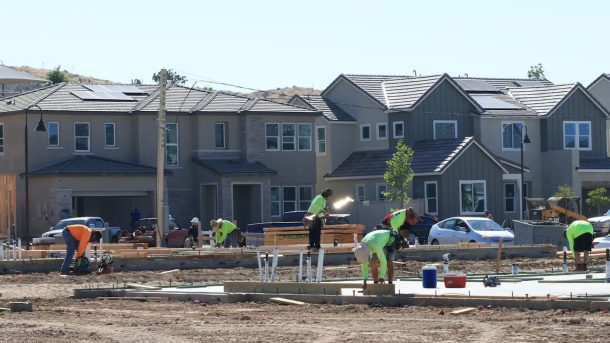
Urban growth creating new residential property investment opportunities

Urban areas across South Africa and around the world are expanding at a remarkable pace. Population growth, infrastructure investment, and changing lifestyle preferences are reshaping the way people live and work. As cities spread outward and become more densely developed, residential real estate markets are evolving alongside them.

For investors, these changes create both opportunities and challenges. New transport networks, mixed-use developments, and emerging residential corridors can influence property demand long before an area reaches full maturity. Understanding these shifts can help investors make informed decisions and identify locations with long-term growth potential.

The insights of a qualified town planner often become increasingly valuable during periods of rapid urban expansion. Their understanding of land use patterns, zoning frameworks, and future development trends can provide important context when evaluating residential property opportunities.

Understanding the Link Between Urban Growth and Property Investment

Urban growth occurs when cities expand physically and economically. This process is driven by factors such as population increases, migration, job creation, and infrastructure development.

As more people move into urban centres, demand for housing rises. This increased demand can create opportunities for residential property investors seeking capital growth, rental income, or both.

However, growth is rarely uniform. Some neighbourhoods experience rapid appreciation, while others may take years to reach their potential. Investors who understand the drivers behind urban expansion are often better positioned to identify promising locations before they become highly competitive.

Property investment decisions should always consider long-term trends rather than short-term market fluctuations. Urban development plans, transport improvements, and population projections can provide valuable indicators of future demand.

Emerging Residential Areas Are Attracting Attention

One of the most noticeable effects of urban growth is the emergence of new residential hubs. As established suburbs become more expensive or densely populated, developers and homebuyers increasingly look toward surrounding areas.

These emerging neighbourhoods often offer:

  • More affordable entry points for buyers and investors
  • Access to new housing developments
  • Potential for future property value growth
  • Opportunities linked to planned infrastructure upgrades
  • Expanding community amenities and services

Investors who identify these areas early may benefit from increased demand as development progresses. Nevertheless, thorough research remains essential before making any purchasing decisions.

Factors such as municipal planning, transportation access, and economic activity can significantly influence whether an area ultimately succeeds as a residential destination.

Infrastructure Development Drives Residential Demand

Infrastructure plays a central role in shaping property markets. Roads, public transport systems, schools, healthcare facilities, and utility networks all contribute to an area’s attractiveness.

When governments and municipalities invest in infrastructure, nearby residential property markets often experience increased interest. Improved accessibility can reduce commute times, enhance convenience, and support local economic growth.

For example, new transport corridors may connect previously overlooked suburbs to major employment centres. This can increase demand from homebuyers and tenants seeking affordability without sacrificing accessibility.

Investors frequently monitor planned infrastructure projects because these developments may influence future property performance. While no outcome is guaranteed, infrastructure improvements often serve as important indicators of changing market dynamics.

Changing Housing Preferences Are Creating New Opportunities

Urban growth is also changing the types of properties people want to live in. Modern buyers and tenants increasingly prioritise convenience, connectivity, and lifestyle amenities.

This shift has encouraged the development of:

  • Mixed-use precincts combining residential, retail, and commercial spaces
  • Higher-density housing options near transport routes
  • Lifestyle-focused communities with shared amenities
  • Sustainable residential developments
  • Compact homes designed for urban living

These changing preferences create opportunities across multiple residential property segments.

Investors who understand evolving consumer expectations can better align their property choices with market demand. Rental properties that offer convenience and access to services may attract stronger tenant interest in growing urban environments.

The Importance of Land Use Planning

Urban growth does not happen randomly. Development is guided by planning frameworks that influence how land can be used and developed over time.

Land use planning helps balance residential, commercial, industrial, and public space requirements. It also aims to support sustainable growth while managing environmental and infrastructure considerations.

A skilled town planner can provide valuable insight into future development patterns, zoning regulations, and municipal strategies. Understanding these factors may help investors assess whether an area is likely to experience increased residential demand in the years ahead.

Planning documents can reveal proposed developments that may not yet be widely recognised by the market. This information can contribute to more informed investment decisions when combined with broader financial and property research.

Urban Densification Is Reshaping Investment Strategies

Many cities are encouraging densification rather than unrestricted outward expansion. Densification involves accommodating more residents within existing urban areas through apartments, townhouses, and mixed-use developments.

This trend is influencing residential investment opportunities in several ways.

Higher-density housing can create additional rental stock in desirable locations. It may also support stronger demand from professionals, students, and smaller households seeking proximity to employment centres and amenities.

For investors, densification can open opportunities in established suburbs where redevelopment and infill projects become increasingly viable.

At the same time, increased housing supply may affect competition levels in certain markets. Evaluating local conditions remains essential when assessing potential investments.

Sustainability Is Becoming a Key Market Driver

Environmental considerations are playing a growing role in urban development. Homebuyers, tenants, developers, and municipalities are placing greater emphasis on sustainability.

Energy-efficient buildings, water-saving technologies, green spaces, and walkable neighbourhoods are increasingly valued within residential markets.

Properties located within well-planned, sustainable communities may benefit from stronger long-term appeal. As environmental awareness grows, demand for efficient and resilient housing is likely to remain an important market consideration.

Investors should examine how sustainability features align with local market preferences and future development objectives.

Identifying Risks in Fast-Growing Areas

While urban growth can create attractive investment opportunities, it also introduces potential risks.

Rapid development does not always translate into immediate property value increases. Market conditions, economic performance, infrastructure delivery timelines, and housing supply levels can all influence outcomes.

Investors should carefully evaluate:

  • Local property demand trends
  • Infrastructure implementation schedules
  • Municipal planning policies
  • Vacancy rates and rental performance
  • Long-term economic drivers

Comprehensive due diligence remains one of the most effective ways to manage investment risk.

Seeking professional advice from property experts, financial advisers, and planning professionals can provide additional perspective when evaluating opportunities in developing areas.

Adapting to a Changing Urban Landscape

Residential property investment is becoming increasingly connected to broader urban development trends. Population growth, infrastructure investment, sustainability initiatives, and evolving housing preferences are all shaping future opportunities.

Successful investors often focus on understanding how cities are changing rather than simply analysing current market conditions. Areas that appear ordinary today may become highly desirable tomorrow if supported by strong planning, infrastructure, and economic growth.

As urban environments continue to evolve, informed decision-making will remain essential. By monitoring development patterns, assessing future growth drivers, and consulting professionals when necessary, investors can better position themselves to navigate an increasingly dynamic residential property market. The expertise of a town planner may provide valuable insight into these transformations, helping investors understand how changing urban landscapes influence long-term property potential.

Brackenfell Bliss: Unveiling the Best Flats for Sale in Town

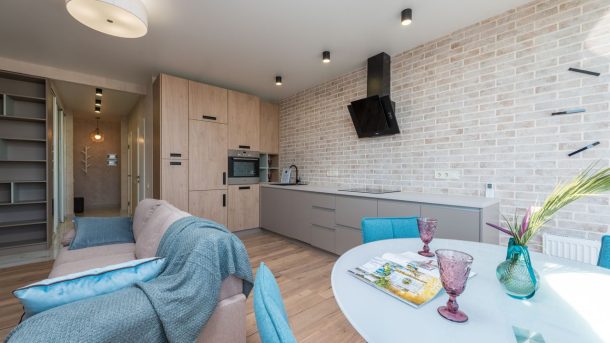
flats for sale in Brackenfell

Are you at present on the exhilarating quest to search out the right flats on the market within the charming enclave of Brackenfell? Look no additional! Our dynamic and vibrant group proudly showcases a various array of flats on the market, meticulously tailor-made to cater to your particular person preferences and distinctive way of life wants. Whether or not you are a first-time purchaser taking these preliminary steps onto the property ladder, a member of a rising household seeking a comfy nest, or somebody seeking to downsize with out compromising on consolation, this space affords an array of choices which might be positive to satisfy your each expectation for studios on the market in Brackenfell.

The Brackenfell Benefit

Nestled within the coronary heart of the Cape City metropolitan space, Brackenfell stands as a beacon of the harmonious fusion of suburban tranquility and concrete comfort. This esteemed residential space is widely known for its distinctive colleges, well-appointed procuring facilities, and an abundance of leisure services. The colourful group spirit that permeates via Brackenfell transforms it into greater than only a place to reside; it turns into a real haven, a really perfect spot to name dwelling.

Your Dream Flats for Sale in Brackenfell Await

Embark on a journey of exploration, and you may quickly uncover a fascinating number of flats for sale in Brackenfell. The choices vary from cozy one-bedroom items, good for these beginning their impartial residing journey, to expansive multi-bedroom residences appropriate for rising households or these needing ample house. Every property is thoughtfully designed to maximise house and luxury, guaranteeing that, no matter your way of life, you’ll discover a house that completely aligns together with your preferences.

Whether or not your style leans in the direction of a smooth and fashionable aesthetic or you end up enchanted by a extra conventional allure, the flats on the market in Brackenfell showcase a powerful number of architectural types. Immerse your self in open-concept residing areas or unwind on balconies with breathtaking views; the various choices make sure you not solely discover a flat that meets however exceeds your expectations.

Facilities to Elevate Your Way of life

Residing in Brackenfell means immersing your self in a wealth of facilities designed to reinforce your day by day life. The handy proximity to procuring facilities, parks, and leisure services ensures that each comfort and leisure exercise is only a stone’s throw away. Moreover, the well-established public transport system turns commuting right into a seamless and environment friendly expertise, including one other layer of consolation to your way of life.

Begin Your Journey At present

Seize the golden alternative to reside in considered one of Cape City’s most sought-after neighborhoods. Do not let this opportunity slip away – discover the engaging choices of flats on the market in Brackenfell and embark on a brand new chapter outlined by consolation, comfort, and group. Your ideally suited house is only a click on away, patiently awaiting your discovery within the coronary heart of Brackenfell’s vibrant and welcoming group!

South African Real Estate: Timing Your Investment for Maximum Returns

property news South Africa

Opening the capacity southern African residential or commercial property market is a pursuit that mesmerizes financiers and property buyers alike, even when staying up to date with residential or commercial property news South Africa, it’s triggering a continuous mission for the appropriate minute to plunge into the vibrant realty landscape. In the world of property news South Africa stands as a beacon, its updates echoing through the passages of decision-making for those poised to make a relocation in the market. The detailed dance of market patterns and conditions manages a ballet of financial subtleties, residential or commercial property rate oscillations, and the ups and downs of need versus supply, all of which demand watchful attention. This residential or commercial property news South Africa blog site works as a compass, directing both experienced financiers and novice residential or commercial property purchasers through the maze of decision-making as we look into the diverse concern: When is the correct time to buy residential or commercial property in South Africa?

Market Patterns and Conditions

The very first thing to think about when buying residential or commercial property in South Africa is the present market patterns and conditions. It’s constantly vital to watch on the residential or commercial property news South Africa needs to use, to comprehend when the marketplace is climbing up or decreasing. The residential or commercial property market is affected by a range of elements, consisting of financial development, residential or commercial property rate changes, rate of interest, and need versus supply. The South African residential or commercial property market is understood for its cyclical patterns, which develop changes and development durations. It can be challenging to forecast the marketplace, however it deserves thinking about the present patterns and financial signs before entering the marketplace.

Place, Place, Place

The area of a residential or commercial property is maybe the aspect that has the most substantial influence on its worth and possible earnings. In South Africa, area is vital, with some locations experiencing faster development and gratitude than others. To optimize your financial investment return, concentrate on residential or commercial properties in prime places such as town hall, main service locations and domestic areas with dynamic neighborhoods, schools and universities, and practical facilities. On the other hand, residential or commercial properties in less industrialized locations or garin-town locations can have lower returns and might take longer to value in worth.

Seasonal Variations

The seasons can likewise impact the residential or commercial property market in South Africa, with peak seasons typically equating to greater need and increased rates. Generally, the summertime season, from December to February, is the peak time for the residential or commercial property market, with numerous people trying to find vacation homes or summer season leasings. If you’re wanting to buy this market, be prepared to acquire before or after this peak duration to maximize the worth of these seasonal patterns.

The Correct Time for Your Requirements

Eventually, the correct time to buy a residential or commercial property in South Africa depends upon your particular requirements and scenario. It might be the correct time for you when you have actually looked into the marketplace and chosen a preferable area. Likewise, when you have a monetary strategy in location and have actually protected the needed funding alternatives. Consider your brief and long-lasting monetary objectives and the possible to make long-lasting wealth and the requirement to accomplish monetary self-reliance.

Conclusion:

Timing can make or break your residential or commercial property financial investment, and it’s vital to watch on market patterns and conditions, area, seasonal variations, and your particular requirements to make the best choice for you. Nevertheless, with a tactical method, cautious research study of residential or commercial property news South Africa, and a little persistence, buying residential or commercial property in South Africa can be among the most rewarding and satisfying choices you can make. Hence, Business owners ought to stay on the lookout for chances to invest and grow their portfolios.