
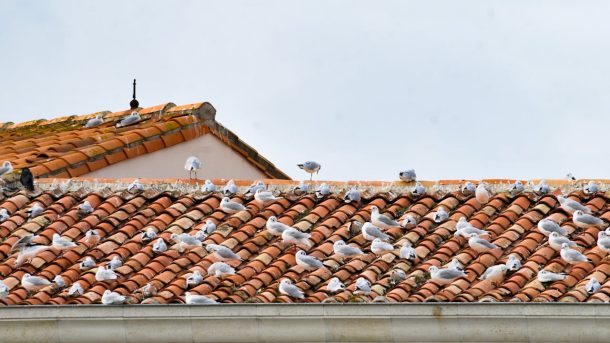
Living in urban or coastal environments often means dealing with persistent bird-related challenges around buildings. From nesting under roof tiles to droppings on signage, these issues can quickly escalate from a minor inconvenience into a costly maintenance concern. In many cases, unmanaged bird activity can also contribute to hygiene risks, structural wear, and visual damage to properties.
For homeowners and business operators alike, prevention is far more effective than reactive cleaning or repairs. A structured approach to managing access points, surfaces, and nesting zones can significantly reduce recurring problems over time. This is where targeted exclusion and deterrent methods become particularly valuable.
Among the most reliable approaches, bird proofing plays a central role in protecting buildings while maintaining humane and environmentally responsible standards. When properly planned, it can preserve both the appearance and integrity of residential and commercial structures without disrupting surrounding ecosystems.
Understanding Bird-Related Building Issues
Birds tend to seek elevated, sheltered, and quiet areas for nesting and roosting. Roof cavities, balcony ledges, and signage structures often provide ideal conditions. Once established, colonies can expand quickly, making removal more difficult and increasing the likelihood of repeated return visits.
One of the most overlooked concerns is the accumulation of droppings. Beyond being unsightly, droppings are acidic and can gradually degrade paintwork, metal fixtures, and stone surfaces. In commercial environments, this can negatively affect customer perception and brand presentation.
Another issue involves blocked drainage systems. Nesting materials such as twigs and feathers can obstruct gutters and downpipes, leading to water overflow and potential structural damage during heavy rainfall.
Common problem areas include:
- Roof ridges, eaves, and tiled gaps that allow shelter and warmth
- Balcony railings, air-conditioning units, and awnings
- Signage frames, billboards, and illuminated advertising boards
- Warehouse loading zones and warehouse beams with overhead cover
Addressing these areas early reduces long-term maintenance costs and limits the need for repeated cleaning cycles.
Roof Protection Strategies
Roofs are among the most frequently affected areas in urban and suburban buildings. Their height, warmth, and relative safety make them ideal for nesting and perching. Effective prevention focuses on blocking access without compromising ventilation or drainage.
One of the most widely used approaches in bird proofing involves physical exclusion systems. These may include mesh barriers, spike strips, or tensioned wire systems designed to prevent landing without causing harm. Each solution is selected based on roof type, pitch, and material.
Proper installation is essential. Poorly fitted deterrents can shift over time, creating gaps that birds quickly exploit. Regular inspection ensures continued effectiveness, especially after storms or seasonal changes.
Additional considerations include sealing entry points under eaves and repairing broken tiles that create sheltered cavities. Even small openings can become entryways for nesting activity if left unattended.
Effective roof protection may include:
- Stainless steel or polycarbonate spikes for ridge lines and ledges
- Fine mesh netting for larger open roof sections or industrial structures
- Tensioned wire systems for narrow ledges and beams
- Sealing of gaps with durable, weather-resistant materials
When combined correctly, these methods create layered protection that significantly reduces the likelihood of infestation.
Balcony and Residential Solutions
Balconies are particularly attractive to birds in residential complexes due to their sheltered corners and limited human disturbance during certain hours of the day. Over time, nesting materials and droppings can accumulate, creating hygiene and aesthetic concerns for residents.
In residential settings, humane deterrents are preferred to maintain harmony with surrounding wildlife. Visual deterrents, surface modifications, and exclusion barriers are commonly used without causing harm.
Lightweight netting is often installed across open balcony spaces to prevent access while preserving airflow and light. Reflective elements or motion-based deterrents can also discourage repeated landing in high-traffic areas.
Key considerations for residential protection include:
- Ensuring balcony drainage remains unobstructed after installation
- Selecting UV-resistant materials suitable for long-term outdoor exposure
- Avoiding permanent fixtures that damage rental or sectional title property surfaces
- Maintaining regular cleaning schedules to discourage re-nesting behaviour
Consistency is important. Even the most effective systems require occasional monitoring to ensure they remain intact and functional over time.
Commercial Signage Protection
Commercial signage is highly vulnerable to bird activity due to its height, structure, and often uninterrupted surfaces. Businesses relying on visibility and branding can suffer reputational damage when signage becomes obscured or stained.
In these environments, preventative design and maintenance strategies are critical. Smooth surfaces and angled fixtures reduce landing opportunities, while exclusion devices protect edges and upper frames.
A key principle in commercial applications is balancing visibility with protection. Systems must not obstruct lighting or branding elements while still preventing roosting and nesting.
Common solutions include targeted deterrent installation along the top and sides of signage boards, as well as discreet netting behind illuminated panels. These approaches ensure that branding remains clear and professional throughout the year.
Humane Deterrents and Material Choices
Modern building management prioritises humane and environmentally responsible approaches to wildlife control. The goal is not removal of birds from the ecosystem, but rather prevention of unwanted nesting in specific human structures.
Materials used in deterrent systems are designed to be non-injurious while still discouraging landing or nesting behaviour. Stainless steel, UV-stabilised polymers, and corrosion-resistant alloys are commonly used due to their durability and low maintenance requirements.
A well-planned strategy often integrates multiple methods rather than relying on a single solution. This layered approach increases effectiveness across different building surfaces and conditions.
Common humane deterrent methods include:
- Optical deterrents that create light reflection or movement
- Physical barriers that prevent landing without trapping
- Surface modification to reduce grip and nesting stability
- Auditory deterrents used selectively in large open environments
When selecting solutions, it is important to consider building use, environmental exposure, and long-term maintenance requirements. Poorly chosen materials can degrade quickly, leading to repeated installation costs.
Maintenance and Long-Term Prevention
Even the most effective exclusion systems require ongoing maintenance to remain functional. Weather exposure, dust accumulation, and natural wear can reduce effectiveness over time if not addressed.
Routine inspections help identify early signs of deterioration or re-entry attempts. Small gaps, loose fittings, or damaged netting should be repaired promptly to prevent re-establishment of nesting activity.
Cleaning also plays a preventative role. Removing droppings and nesting material reduces the likelihood of birds returning to familiar locations. Over time, consistent upkeep discourages repeated habitation patterns.
Long-term prevention strategies often include scheduled maintenance cycles and periodic system upgrades. This ensures that protective measures remain aligned with changes in building use, environmental conditions, or structural modifications.
A well-maintained property benefits from:
- Reduced structural cleaning costs and fewer repair interventions
- Improved hygiene standards across residential and commercial spaces
- Better visual presentation for customers, tenants, or visitors
- Longer lifespan of building materials exposed to outdoor conditions
Sustained effectiveness depends on attention to detail and timely response to emerging issues. When properly managed, prevention systems continue to perform reliably with minimal disruption to daily operations.
A structured, proactive approach ensures that buildings remain protected year-round, preserving both functionality and appearance in environments where bird activity is a constant factor.
Related posts:
Tags: balcony protection nettingbird deterrent systemscommercial building maintenance preventionroof pest control solutions


