
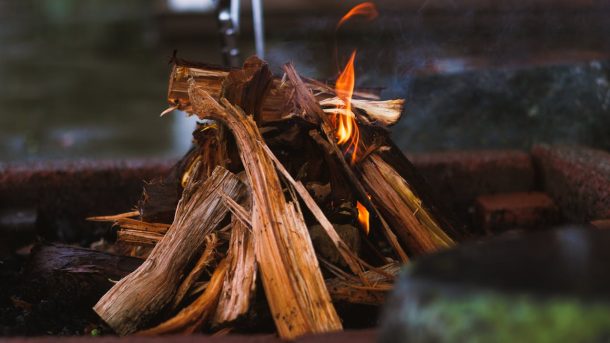
Many households rely on firewood for heating, cooking, and social gatherings, especially in regions where outdoor living and braai culture are part of everyday life. However, buying firewood is not always as simple as it seems. Poor choices can lead to inefficient burning, excess smoke, higher costs, and even safety concerns. Understanding what to look for — and what to avoid — can make a noticeable difference in both performance and value.
In areas where seasonal demand fluctuates, sourcing wood through services like firewood delivery Cape Town providers has become increasingly common. While convenient, this approach also introduces new variables such as supplier reliability, wood quality, and pricing transparency. Without a clear understanding of these factors, buyers can easily end up paying more for less.
This article breaks down the most common firewood purchasing mistakes and offers practical guidance to help homeowners make informed decisions. Whether you’re preparing for winter or stocking up for weekend braais, avoiding these pitfalls will ensure a better overall experience.
Buying Wet or Unseasoned Wood
One of the most frequent mistakes is purchasing wood that hasn’t been properly seasoned. Freshly cut or “green” wood contains high moisture content, which makes it difficult to ignite and sustain a consistent burn. Instead of producing steady heat, it tends to smoulder and generate excessive smoke.
Seasoned firewood, on the other hand, has been dried over time to reduce its moisture levels. This results in cleaner combustion, better heat output, and less residue buildup in chimneys or grills. Many buyers assume all firewood sold is ready to use, but that’s not always the case.
A simple way to identify seasoned wood is by its appearance and weight. It typically has visible cracks on the ends, feels lighter, and produces a hollow sound when pieces are knocked together. Ignoring these signs often leads to frustration and wasted money.
Choosing the Wrong Type of Wood
Not all firewood performs the same, and selecting the wrong type can significantly impact your results. Hardwood varieties such as camel thorn or mopane burn longer and produce more consistent heat, making them ideal for cooking and heating. Softwoods, while easier to ignite, burn quickly and often produce more smoke.
Buyers sometimes opt for cheaper wood without considering its suitability for their needs. This can result in needing larger quantities to achieve the same outcome, ultimately negating any initial savings.
Understanding the intended use is essential. For example, slow-burning hardwood is better for extended cooking sessions, while lighter wood may be sufficient for quick fires. Matching the wood type to the purpose ensures efficiency and cost-effectiveness.
Overlooking Supplier Credibility
With the rise of online marketplaces and delivery services, it’s easier than ever to purchase firewood. However, not all suppliers maintain consistent quality standards. Some may mix different wood types, deliver undersized loads, or provide misleading information about moisture content.
Before committing to a purchase, it’s important to evaluate the supplier. Reviews, recommendations, and clear product descriptions can offer valuable insight. Transparency around sourcing and preparation methods is also a strong indicator of reliability.
When using firewood delivery Cape Town services, taking the time to verify credibility can prevent unnecessary issues and ensure you receive what you paid for.
Ignoring Quantity Measurements
Firewood is often sold in various units, including bags, bundles, or cubic meters. This lack of standardisation can make it difficult to compare prices accurately. Some suppliers may advertise lower prices but provide smaller quantities, creating the illusion of a better deal.
Understanding how firewood is measured allows for more informed comparisons. A cubic meter is generally considered the most consistent unit, as it reflects actual volume rather than loosely packed bundles.
Buyers should always clarify what they are receiving and avoid making assumptions based solely on price. This simple step can prevent underbuying or overpaying.
Failing to Plan Ahead
Last-minute purchases often lead to limited choices and higher costs. During peak seasons, demand increases significantly, which can result in stock shortages or inflated pricing. Waiting until the coldest days or a planned gathering can leave buyers with fewer options.
Planning ahead provides greater flexibility and access to better-quality wood. It also allows time to properly store and season the wood further if needed.
Here are key planning considerations to keep in mind:
- Estimate how much wood you will need based on usage patterns.
- Purchase during off-peak periods when prices are typically lower.
- Allow time for additional drying if the wood is not fully seasoned.
- Ensure you have adequate storage space before ordering.
- Establish a relationship with a reliable supplier for consistent quality.
Taking a proactive approach reduces stress and improves overall efficiency.
Poor Storage Practices
Even high-quality firewood can become ineffective if stored incorrectly. Exposure to moisture, lack of ventilation, and improper stacking can all compromise the wood’s condition.
Firewood should be stored in a dry, well-ventilated area, ideally off the ground. Covering the top while leaving the sides exposed helps protect against rain while allowing airflow. Stacking the wood loosely also promotes better drying.
Neglecting proper storage can lead to mould growth, increased moisture content, and reduced burn efficiency. This is a common issue that often goes unnoticed until the wood is used.
Prioritising Price Over Value
While affordability is important, choosing firewood based solely on price can be misleading. Lower-cost options may involve inferior wood types, higher moisture content, or inconsistent sizing.
Value should be assessed based on burn time, heat output, and overall performance. In many cases, paying slightly more for high-quality hardwood results in better efficiency and fewer replacements.
A balanced approach ensures that cost savings do not come at the expense of functionality.
Not Asking the Right Questions
Many buyers hesitate to ask detailed questions when purchasing firewood, especially when ordering online or through delivery services. This can lead to misunderstandings and unmet expectations.
Important questions to consider include:
- What type of wood is being supplied?
- Has the wood been properly seasoned?
- How is the quantity measured?
- What is included in the delivery?
- Are there any guarantees or return policies?
Gathering this information upfront helps establish clarity and reduces the likelihood of issues.
Misjudging Environmental Impact
Sustainability is becoming an increasingly important consideration. Unsustainable harvesting practices can contribute to environmental degradation and resource depletion.
Responsible suppliers typically source wood from managed areas or use invasive species that require removal. Supporting these practices not only benefits the environment but also promotes long-term availability.
Buyers who overlook this aspect may unknowingly contribute to harmful practices. Making informed choices supports both quality and sustainability.
Making Better Firewood Decisions
Avoiding these common mistakes requires a combination of awareness and practical decision-making. From selecting the right wood type to verifying supplier credibility, each step plays a role in achieving a better outcome.
Convenience options like firewood delivery Cape Town can be highly effective when approached correctly, but they still require due diligence. Understanding the nuances of firewood quality, storage, and sourcing ensures that every purchase delivers real value.
By applying these insights, homeowners can enjoy cleaner fires, improved efficiency, and a more reliable supply throughout the year.